
section heading hidden

Our Latest News


Article
- Home
- Blog
- By A Beginner's Guide to Mooring a Dinghy in Busy Harbours
- Comments 35
- 19 Nov 2026
The iGaming Edge: How Smart Players Approach Casino, Betting, Slots & Poker
You've seen the flashy ads and the endless stream of bonus offers. But beneath the surface, iGaming is a complex ecosystem where psychology, math, and strategy collide. Whether you're spinning slots, betting on a Premier League match, or grinding a poker tournament, the difference between a casual player and a winning one often comes down to approach. Let's cut through the noise and look at what actually matters.
Slots: More Than Just Pressing Spin
Slots are the backbone of any casino, online or off. They're simple, flashy, and often misunderstood. Many players chase jackpots without understanding volatility. Here's the thing: slots are powered by random number generators (RNGs), so every spin is independent. That doesn't mean you can't play smart. For up-to-date information, visit สล็อต.
Key tips for slot players:
- Know your RTP: Return to Player (RTP) is the percentage of all wagered money a slot pays back over time. A 96% RTP means the house edge is 4%. Always check the paytable—online slots often list RTP, unlike many land-based machines.
- Volatility matters: High-volatility slots (e.g., Book of Dead) pay less often but can hit huge. Low-volatility slots (e.g., Starburst) pay smaller amounts more frequently. Match volatility to your bankroll and risk appetite.
- Set loss limits: Before you spin, decide how much you're willing to lose. Stick to it. The adrenaline of a bonus round can cloud judgment.
Pro tip: Many online casinos offer free play or demo modes. Use them to test a slot's volatility and features without risking real money. Also, check for slot tournaments—they can offer extra value for a small buy-in.
Sports Betting: It's Not Just About Picking Winners
Betting on sports feels intuitive: pick the winner, cash the ticket. But the margins are thin, and the bookmakers aren't in the business of losing. Successful bettors focus on value, not just outcomes.
Value betting means finding odds that are higher than the true probability of the outcome. For example, if you calculate a team has a 50% chance to win, fair odds would be 2.00 (even money). If a bookmaker offers 2.20, that's value. Over time, this approach yields profit.
Here's how to get an edge:
- Shop for lines: Different bookmakers offer different odds. A half-point difference in spread betting can turn a loss into a win. Use odds comparison tools.
- Focus on niche markets: Major markets like the NFL or Champions League are highly efficient. Look at lower leagues, player props, or esports where bookmakers might be less sharp.
- Manage your bankroll: Flat betting (same stake each time) is safe but slow. Proportional betting (e.g., 1-2% of bankroll) balances risk and growth. Never chase losses.
- Track everything: Keep a spreadsheet of your bets, odds, and results. You'll spot patterns—like which sports or bet types you're actually good at.
Remember, even the best bettors lose 40-45% of their bets. Profit comes from the 55-60% you win and the odds you get.
Poker: Where Skill Beats Luck Long-Term
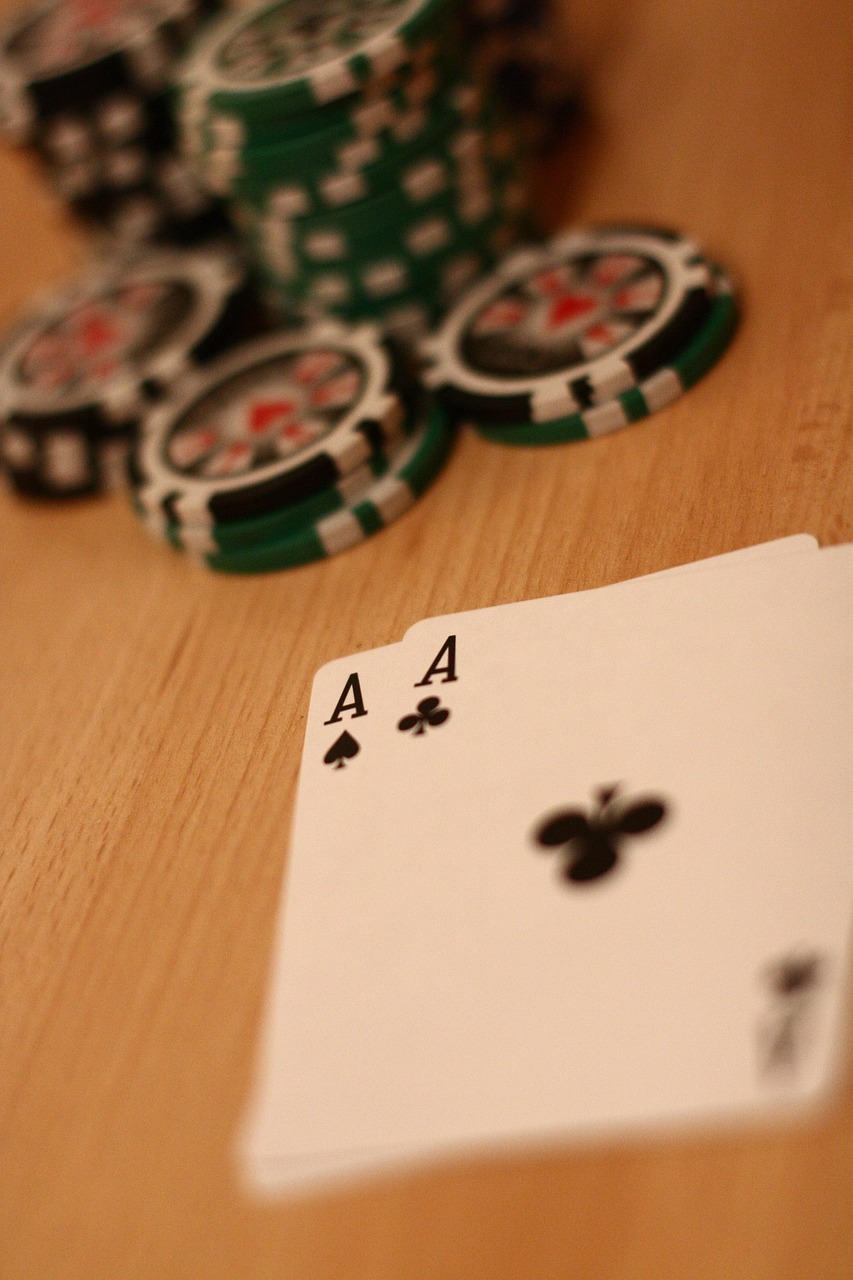
Poker is the only iGaming vertical where you play against other players, not the house. That means a skilled player can consistently win. But it's not about bluffing every hand—it's about math, psychology, and discipline.
Core concepts every winning player knows:
- Pot odds: If the pot is $100 and you need to call $20 to win it, you're getting 5:1 odds. If your chance of winning is better than 1 in 6, it's a profitable call.
- Position: Acting last gives you information. Play more hands in late position (button, cutoff) and fewer in early position.
- Bankroll management: Never buy into a cash game with more than 5% of your total poker bankroll. For tournaments, 1-2% per buy-in is standard.
- Player reads: Online, use HUDs (tracking software) to identify tight or loose players. Live, watch betting patterns and timing tells.
One common mistake: playing too many hands. Tight-aggressive (TAG) is the gold standard for beginners—play fewer hands, but bet and raise aggressively when you do. As you improve, you can add more bluffs and speculative hands.
The Psychology of iGaming: Why We Play and How to Stay in Control
iGaming is designed to be engaging. Variable rewards, near-misses, and the thrill of uncertainty trigger dopamine releases. That's not a flaw—it's the product. But it's also why responsible gambling is non-negotiable.
Signs you might need a break:
- Betting more than you planned to.
- Chasing losses with bigger bets.
- Hiding your play from friends or family.
- Feeling anxious or irritable when not playing.
Set deposit limits, use time-out features, and never treat gambling as an income source. The house always has an edge in casino games and slots—poker is the only exception, and even then, only for the top 10% of players.
Building a Sustainable iGaming Routine
Whether you're into slots, sports, or poker, treat it as entertainment, not a job. Allocate a monthly budget you can afford to lose, and stick to it. Diversify your play—if slots aren't hitting, switch to poker where your skill matters. And always take advantage of bonuses, but read the terms: wagering requirements of 30x-50x are common and can trap you into playing more than you should.
Finally, remember that iGaming is a marathon, not a sprint. The players who last are the ones who manage risk, keep learning, and know when to walk away. So next time you log in, do it with a plan—not just hope.
Share:

Five Signs of a Well-Run Coastal Harbour or Marina
Learn common marker shapes, gate signs and arrow colours so you stay on the right footpath across clifftops and farmland.
5 Comments
-

Robert Sonny says Jul 21, 2024 at 10:00am
I must explain to you how all this mistaken idea of denouncing pleasure and praising pain was born and I will give you a complete account of the system
Reply-

John Abraham says Jul 21, 2024 at 10:00am
I must explain to you how all this mistaken idea of denouncing pleasure and praising pain was born and I will give you a complete account of the system
Reply-

Robert Sonnysays Jul 21, 2024 at 10:00am
I must explain to you how all this mistaken idea of denouncing pleasure and praising pain was born and I will give you a complete account of the system
Reply
-
-
-
Robert Sonny says Jul 21, 2024 at 10:00am
I must explain to you how all this mistaken idea of denouncing pleasure and praising pain was born and I will give you a complete account of the system
Reply
Leave a reply

Trending Topics
Popular Post


How We Can
Help You!
Pack layers, waterproofs, sturdy boots, sun cream and a small first-aid kit, because coastal conditions can shift quickly.
Contact Us
There are many variations of passages of Real stories, useful guides and the occasional recommendation, all in one calm corner of the web.
Important Link
Recent Post
Newsletter
Many desktop publi’s shing packages web page editors now is use sites.
Copyright © 2026 Bower Harbour. All rights reserved.Bower Harbour.